
How Does a Quilter’s Clapper Work?
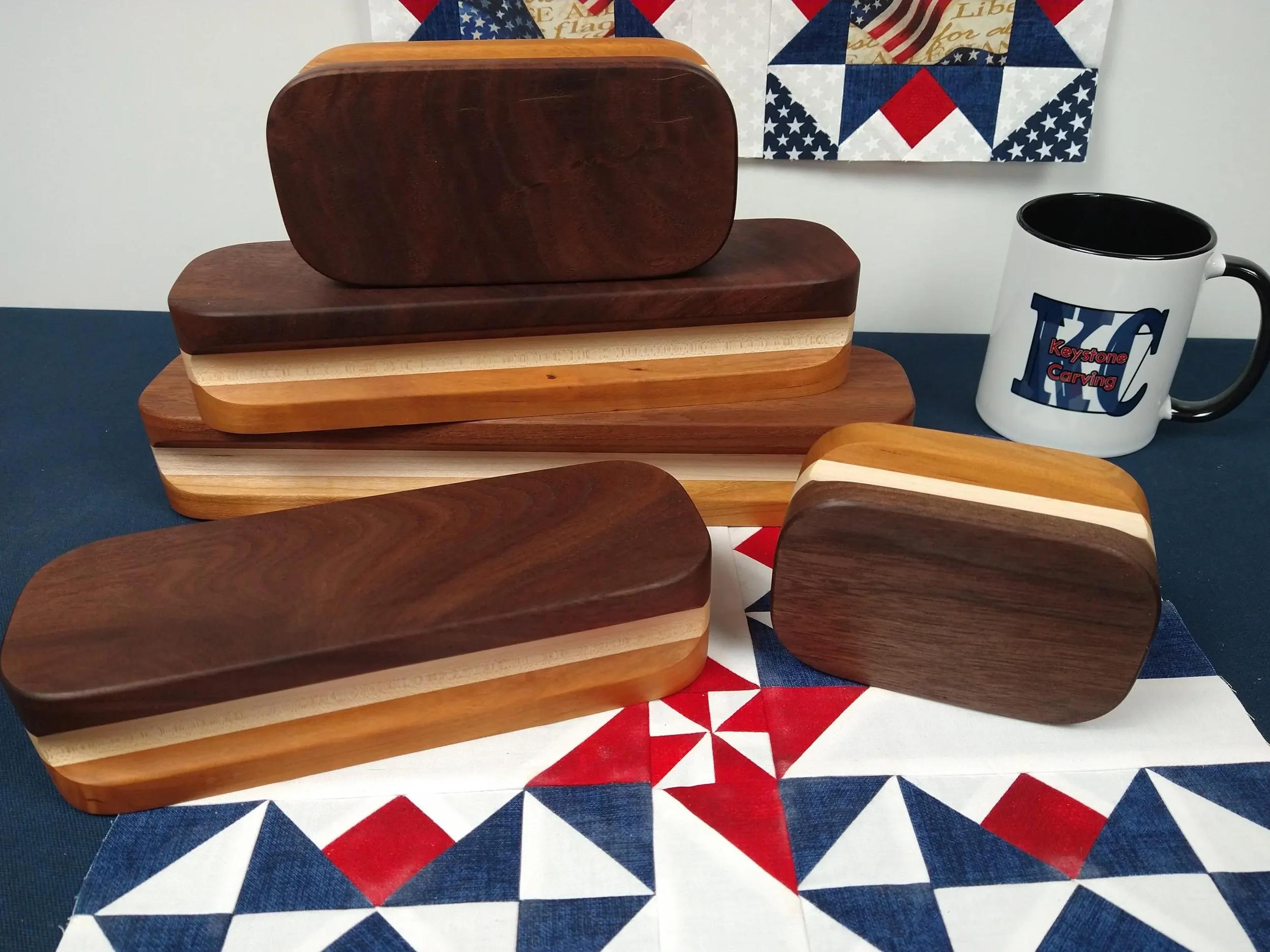
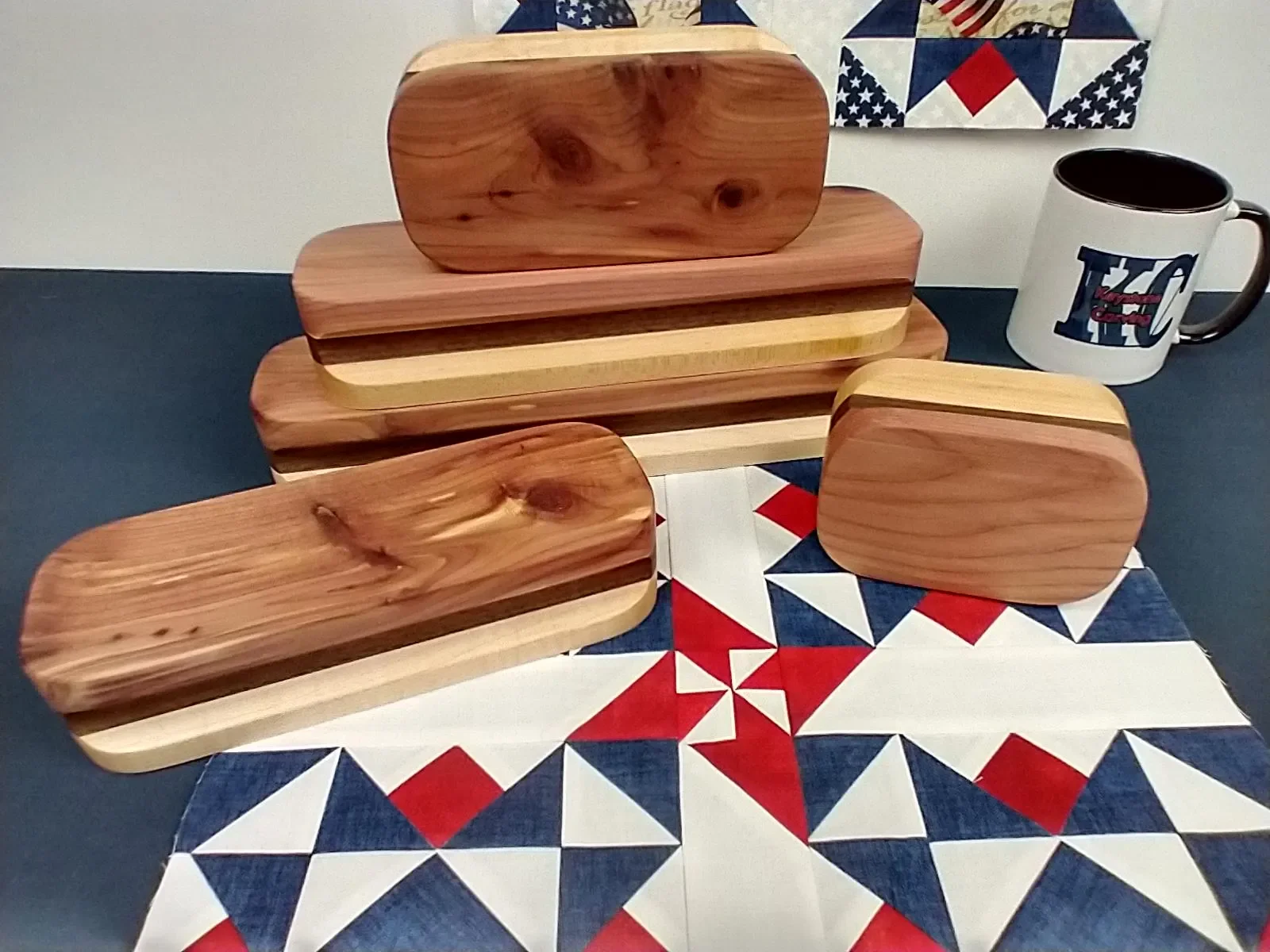
Lets talk about what a clapper does before we discuss how it does it.
A quilters clapper:
Makes your fabric “behave”
Makes your seams “lay flat”
Makes nesting “easy & fun”
Makes piecing more precise
Makes your pressed blocks “easier to quilt”
Makes your pressed block corners “line up perfectly”
Makes the back of your pressed block “neater & prettier”
Makes fabric manageable for sewers, tailors, and quilters
Now, how does a hardwood quilters clapper do these things?
Fabric gets tight, stiff, and wrinkled. It simply will not behave until you introduce steam into it. The steam from steam pressing makes the fabric fibers relax. They become soft and pliable, so that you can press it into a new flat shape. When steam is applied for approximately 8 seconds, a quilters clapper is then immediately placed onto the fabric for 12+seconds with light downward pressure. The clapper holds the newly softened fibers flat and crisp while instantly absorbing the steam. The fabric is now permanently pressed flat. As soon as the clapper came in contact with the fabric its fibers transitioned from “pliable” to “set”. This new permanently pressed flat state is “the setting of a seam.”
So do you need a clapper? The answer is yes. A clapper gives you a professional edge, providing not merely accuracy, but precision. Precision is the difference between a good quilt and an excellent quilt. Click HERE to get yours today.
Here is the Long Answer
Have you ever heard some say, “I tried a clapper, and it did not work” or “I used one, but I was not impressed with it”? No doubt this is the experience of many and quite frankly it is not surprising seeing the amount of cheap imported clappers that flood the market. This is why WOOD MATTERS. If a quilter’s clapper is made from the wrong wood type it cannot work effectively.
Here at Keystone Carving we want you to know that when you purchase our clappers, they will work so amazingly well that it is almost like magic. While we would love to claim it is magic or that we discovered some secret clapper tree in the rainforest, it is simply this, we make our clappers from the correct wood type.
Wood, like a sponge, draws in H2O (water or steam). The wood’s ability to do this is the same as it was when it was a standing tree. The wood in the tree drew water from the roots all the way up and through its branches and into its leaves. However, a quilter’s clapper is far more than a simple piece of wood. Only specific wood works effectively. In fact, there is a scientific explanation as to why a wood clapper will or will not absorb steam. The reason has to do with wood density. High-density wood is heavy but the reason for this is because there is more wood present and less air or dead spaces. And the more actual wood material that is present determines if a clapper will work or not. This is why we only use close grain hardwood like hard maple and cherry on the tooling surface, and it is the reason our customers say, “Wow! A clapper that actually works.”
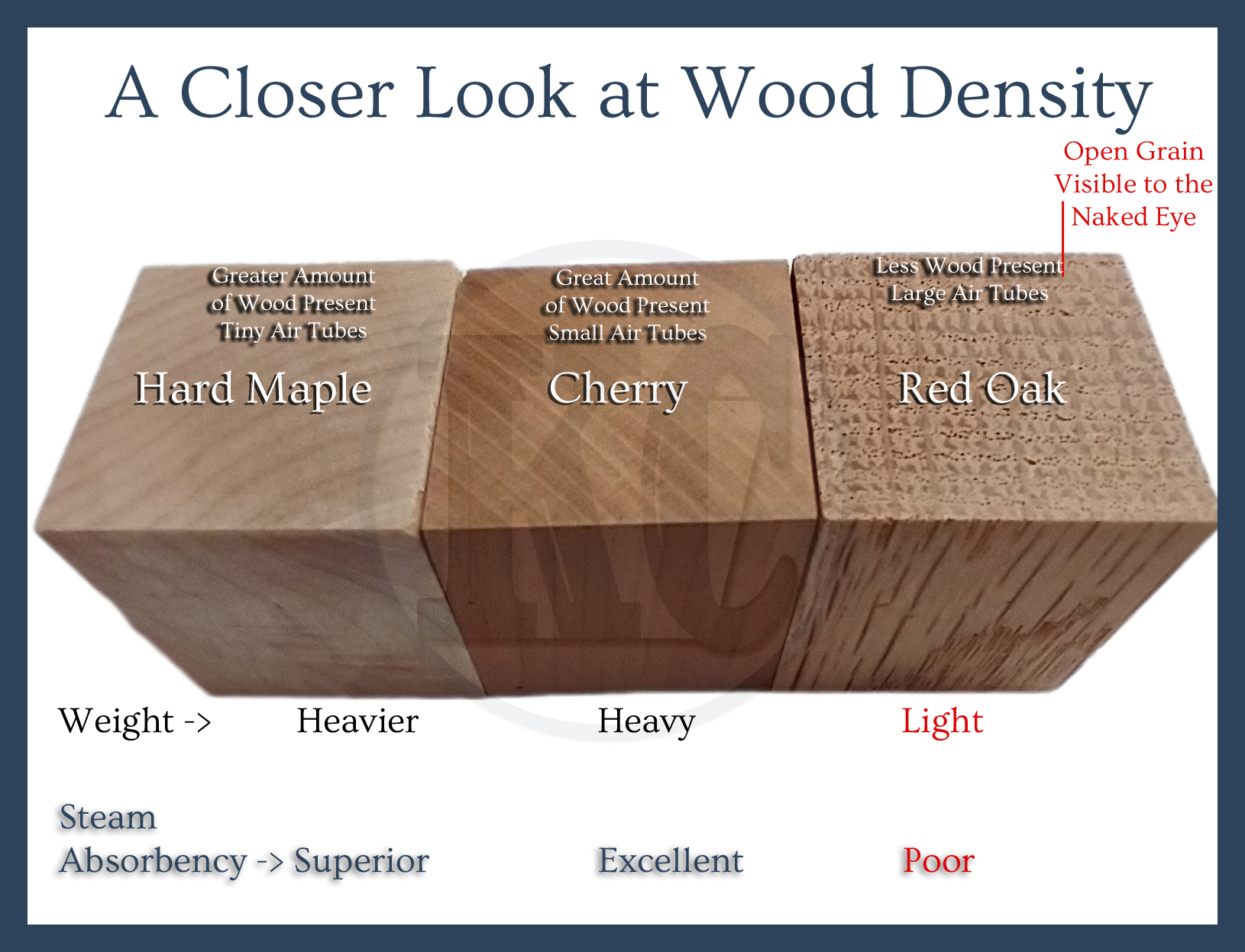
The Three Wooden Blocks Are Exactly 1 Inch Cubes
Red Oak (far right).
The grain in Red Oak is not only visible to the naked eye, but you can also hold it up and breath through it because of its large straw-like tubes (open grain). It is wood after all so it can absorb some steam, but it is not adequate for the needs of tailors, quilters, and sewers. The red pigment in Red Oak can also leach out onto fabric when in contact with steam and the same is true for Walnut.
Cherry (middle).
Cherry hardwood provides excellent steam absorbency due to its tight closed gain characteristics. And because it is high in density it is heavy and requires little to no downward pressure when steam pressing.
Hard Maple (far left).
The steam absorbency characteristics of Hard Maple are superior. In fact, the capabilities of Hard Maple are above and beyond what is needed for steam pressing. The same is true for Locust. Hard Maple is 1/3 heavier than Cherry and requires no downward pressure when steam pressing.
What is the Best Wood for A Quilters Clapper?
Cherry and Hard Maple are perfect for tailors, quilters, and sewers and because they are domestic (USA) closed grain hardwoods, they are readily available and affordable. And because they work perfectly for steam pressing, the choice comes down to wood type preference. Either way, perfect results are guaranteed every time.
Professional Quilt Clapper for Professional Results
Are you ready to achieve the precision in sewing and quilting you desire?
Our Heirloom Quality Quilter’s Clappers do just that as they press fabric flat and crisp with the use of a steam iron. The result of flat, crisp seams enables you to easily assemble your sewing projects.
Using a Quilter’s clapper makes your fabric “behave” - Makes your seams “lay flat” - Makes nesting “easy & fun” - Makes piecing more precise. Makes your pressed blocks “easier to quilt” - Makes your pressed block corners “line up perfectly”. Makes the back of your pressed block “neater & prettier” - Makes fabric manageable for sewers, tailors, and quilters.
The Best Quilter’s Clapper - The Best Tailor’s Clapper
Our clappers work perfectly. We offer them in five lengths made from both domestic and exotic wood species. We adjusted the lengths to account for seam allowance on standard quilt blocks; we offer 12.5”, 10.5”, 8.5”, 6.5”, and a mini-4.5” quilting clapper. Each clapper measures 2” thick by 3” wide. Choose from Blanks or PERSONALIZED wood carvings. We also offer FULL BLOCK Square Clappers in 13” x 13”, 10”x 10”, and 7” x 7” plus other sewing and quilting tools.
Why Purchase from Us?
Because we provide value not only in high quality materials and excellent craftsmanship, but equally so by customizing items that display your personality.
Keystone Carving Quilter’s and Tailor’s Clappers:
• Are made in USA.
• Are heirloom quality.
• Are made from close grain hardwoods (Maple & Cherry).
• Are superiorly hand crafted with a buttery smooth finish.
• Are designed to fit the hand comfortably.
• Are thicker, longer, and heavier.
• Are oversized to account for seam allowance.
• Are 2” thick, 3” wide, 12.5”, 10.5”, 8.5”, 6.5”, and 4.5” long.
• Are guaranteed to produce the flattest, crispest seams possible by absorbing
steam for tailors, quilters, and sewers.
• Are guaranteed to set even the bulkiest of seams permanently flat.